🎖️ Standard 10% Discount for all Military and First Responders

Frequently Asked Questions

We believe an informed customer is our best customer. Browse our comprehensive knowledge base below.

Understanding Your Electrical System

Electricity is the invisible force that powers our modern lives, yet it remains a mystery to many homeowners.

At Southern Electric & Construction, we are committed to demystifying residential electrical systems. The questions below represent the most common inquiries we receive from residents across Southwest Florida. From understanding the warning signs of a failing electrical panel to knowing when it's time to upgrade your wiring, this comprehensive guide is designed to provide you with clear, actionable information.

Safety Warning

Electrical work is inherently dangerous. While this information is provided for educational purposes, you should never attempt to diagnose or repair electrical issues yourself unless you are a licensed professional. Always prioritize safety.
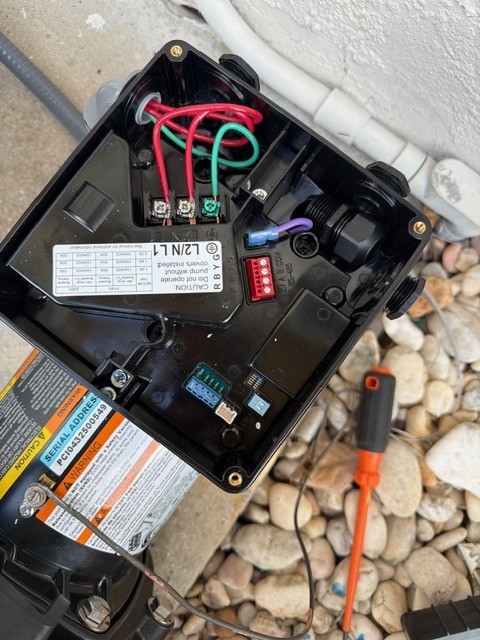
Electrician at work
Yes, we offer true 24/7 emergency electrical services. If you have a critical issue like a sparking panel, a burning smell from an outlet, or sudden partial power loss, call us immediately at (239) 922-0734. We prioritize emergency calls to ensure your family's safety.
Absolutely. We are a fully licensed electrical contractor (State of FL Electrician's LIC #EC13011453) and carry comprehensive insurance. This protects you and your property while we provide residential electrical services across Southwest Florida.
Yes, we proudly offer a standard 10% discount for all Military personnel and First Responders. As a family with veterans, this is our way of saying thank you for your service and dedication to our community.
Our homebase is located in Fort Myers, but our extensive service area covers the entire coast of Southwest Florida from Sarasota down to Marco Island. This includes Naples, Venice, Port Charlotte, Estero, Lehigh Acres, Englewood, Lely Resort, and St James City.
While we do not sell generators directly, we provide expert electrical rewiring and connection services for them. We safely install manual and automatic transfer switches to ensure your portable or standby generator integrates seamlessly and safely with your home's electrical panel.
Common signs that you need a panel upgrade include: breakers that trip frequently, lights that dim or flicker when appliances turn on, a panel that feels warm to the touch, a burning smell near the panel, or if your home still uses an outdated fuse box or a panel manufactured by Federal Pacific or Zinsco. If you notice any of these, contact us for a safety inspection.
Yes, we install Level 2 EV charging stations for all makes and models of electric vehicles, including Tesla, Ford, Chevy, Rivian, and more. We will assess your electrical panel's capacity and run a dedicated 240-volt circuit to ensure safe, fast, and reliable charging at your home.
Electrical work is highly dangerous and complex. A licensed electrician has undergone years of rigorous training and testing to ensure they understand the National Electrical Code (NEC). Hiring a licensed professional guarantees that the work is done safely, legally, and up to code, preventing severe fire hazards and ensuring your homeowner's insurance remains valid.
Knowledge Base

Expanded Homeowner Electrical Knowledge Base

Dive deeper into warning signs, panel planning, storm readiness, and long-term electrical maintenance.

Warning Signs

Tap to reveal

Don't Ignore These

Flickering lights, warm outlets, burning smells, and buzzing sounds near panels are all signs that require immediate professional attention.

Panel Health

Tap to reveal

Your Power Center

A panel may have open breaker slots but still be near capacity limits. Proper load assessments prevent dangerous overloading.

Storm Prep

Tap to reveal

Be Ready

Define critical loads before storm season. Professionally installed transfer switches eliminate dangerous backfeed risks during generator use.

How to Interpret Common Electrical Warning Signs

Homeowners often experience electrical warning signs long before a major failure occurs, but those signs are easy to dismiss when they appear intermittent. Examples include lights dimming when appliances start, breakers tripping under ordinary usage, warm outlets, or occasional buzzing sounds.

The key is to observe patterns rather than isolated moments. If specific rooms, times of day, or appliance combinations consistently trigger issues, that information significantly improves troubleshooting quality.

Document Your Observations

Note which circuits are affected, when symptoms occur, and whether odors or heat are present.

Accurate pattern reporting can shorten repair timelines and help licensed electricians identify faults efficiently. This reduces exploratory guesswork and helps prioritize high-risk corrections first.

Immediate Action Required

Persistent burning smells, visible sparking, frequent arc-like sounds, or a panel face that feels hot require shutting off power and calling a professional immediately.

Panel Capacity, Circuit Design, and Modern Demand

Load vs. Capacity

A panel may have open breaker slots but still be near practical capacity limits. Proper load calculations identify where redistribution or upgrades are required.

Dedicated Circuits

Adding high-draw equipment without dedicated circuits overloads shared branches and creates persistent thermal stress at connection points.

Circuit Labeling

Accurate labels allow quick isolation during outages and improve renovation planning by showing where capacity exists.

When to Assess Your Panel

Many residential systems were designed around historical load assumptions that no longer match present-day usage.

Nuisance tripping, flicker during compressor starts, and inconsistent receptacle behavior often indicate that distribution architecture needs modernization rather than repeated spot fixes. Panel assessments should evaluate both available space and total load capability.

Grounding, Surge Protection, and Equipment Safety

Grounding Systems

Grounding and bonding systems form the safety backbone of a residential installation. When degraded or improperly configured, fault events may not clear as expected and equipment experiences higher stress during disturbances.

Whole-Home Surge Protection

Panel-level protection intercepts high-energy transients near the service entrance before they reach branch circuits. Especially valuable for smart appliances, HVAC boards, and electronics.

Surge Device Maintenance

Surge devices have service life limits — they are not permanent set-and-forget hardware.

Indicator status, age, and exposure history matter when deciding replacement timing. Including surge device checks during scheduled electrical inspections ensures the protection strategy remains active and effective. This simple habit can preserve expensive household systems.

Renovations, Permits, and Safe Upgrade Sequencing

Define Load Impacts Early

Electrical scope often expands during renovations. Define load impacts early, align circuit design with current code, and coordinate sequencing across trades.

Panel & Service Readiness

Start with service and panel readiness. Adding high-demand equipment before resolving panel constraints produces immediate reliability problems.

Branch Circuit Modernization

Then modernize branch circuits with proper protection, dedicated circuits for high-draw equipment, and updated device ratings.

Efficiency & Controls

Finally, layer device-level enhancements and efficiency features. Each investment has the electrical platform needed to perform as intended.

Value Tip: Permitted and documented work protects homeowners during resale, insurance review, or post-event assessments. Clear records of inspected upgrades reduce disputes and simplify future maintenance.

Emergency Readiness and Outage Response Basics

Know Your Loads

Tap to reveal

Plan Ahead

Define critical loads before storm season: refrigeration, medical devices, selective lighting, communications, and well pumps.

Safe Connections

Tap to reveal

No Improvising

Backfeeding through improvised connections can energize utility lines and endanger restoration crews. Use professional transfer switches.

Routine Checks

Tap to reveal

Stay Ready

Test backup workflows periodically, confirm fuel runtime assumptions, and review what warning signs require immediate professional intervention.

When to Call a Licensed Electrician

Call Immediately

Symptoms involving heat, repeated breaker trips, unexplained odors, exposed conductors, or panel-level anomalies require immediate professional evaluation.

Expect Transparency

Quality service includes structured intake, transparent scope discussion, clear root-cause identification, and plain-language explanation of findings.

Get Documentation

Records of repairs, circuit changes, and inspection outcomes support future troubleshooting and renovation planning. Maintain this history.

Year-Round Maintenance and Prioritization

Seasonal Checklist

Schedule Professional Inspection

Set an inspection interval appropriate to home age, usage intensity, and environmental exposure.

Pre-Storm Season

Confirm surge protection status, verify backup plans, ensure panel labeling remains accurate.

Post-Storm Inspection

Check for moisture intrusion, damaged exterior equipment, or grounding concerns after major events.

Build Records

Document observations, service dates, and recommendations to support budgeting and future work.

Urgent vs. Routine Issues

Burning odors, visible arcing, repeated trips, and heat damage are URGENT. Panel assessments and labeling are ROUTINE.

Separating urgent from routine priorities improves safety and budgeting at the same time. Immediate hazards receive rapid attention before damage escalates, while planned improvements can be sequenced thoughtfully around household needs.

Home Electrical Records

Keep a simple record of service dates, affected circuits, component brands, and follow-up recommendations.

Whether stored digitally or in a dedicated binder, consistency matters more than format. With clear electrical history, homeowners can prioritize improvements with greater confidence and maintain continuity even when service providers change.

Still have questions?

If you couldn't find the answer you were looking for, our team is ready to help. Give us a call to speak directly with an electrical expert.

Call (239) 922-0734