🎖️ Standard 10% Discount for all Military and First Responders

Wireless Telecom Services

Professional cell tower maintenance and contracting services for major telecommunications providers.

Expert Tower Maintenance

Southern Electric & Construction LLC partners with leading cell phone companies to ensure their infrastructure remains operational, safe, and up to code. Our specialized team is trained and equipped for high-altitude maintenance and technical troubleshooting.

  • Routine Maintenance

    Comprehensive inspections and preventative maintenance to minimize downtime.

  • Safety Compliance

    Strict adherence to OSHA and industry-specific safety standards for all tower operations.
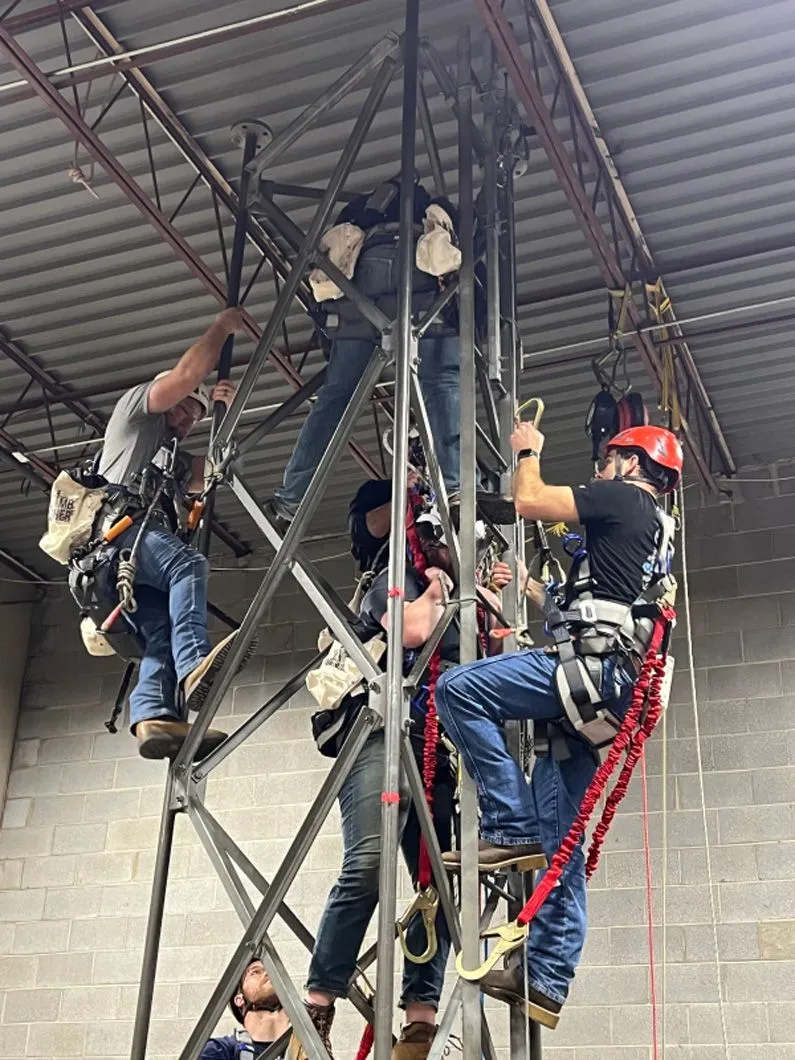
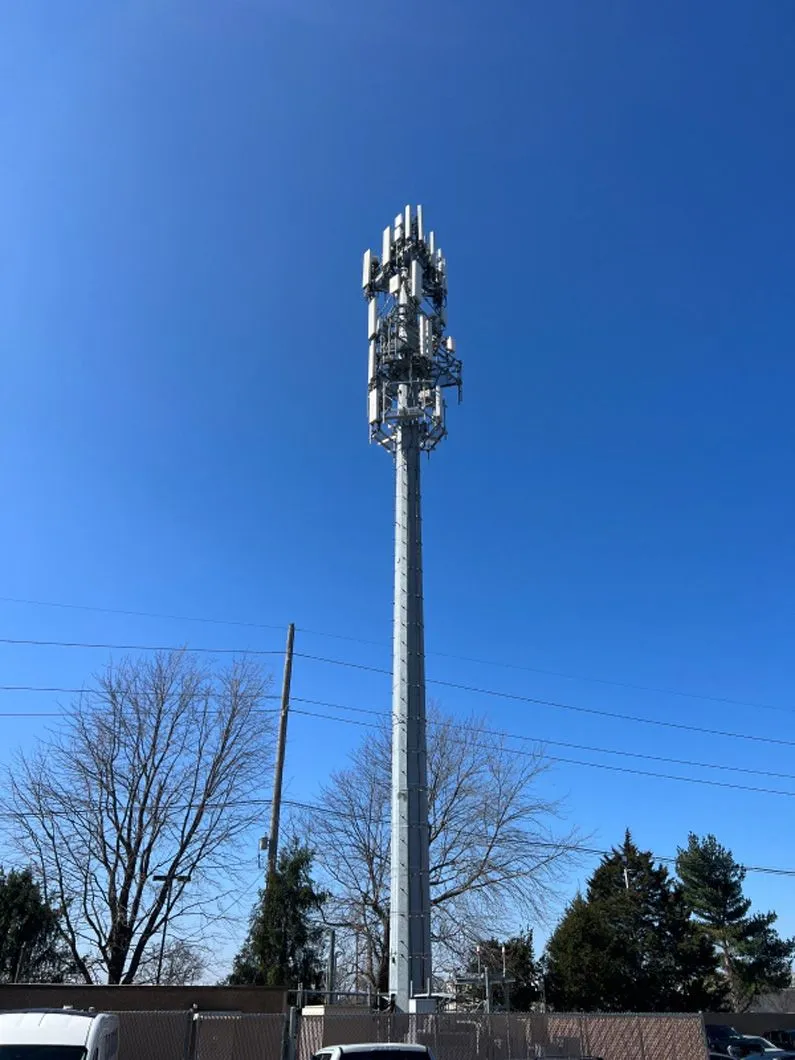
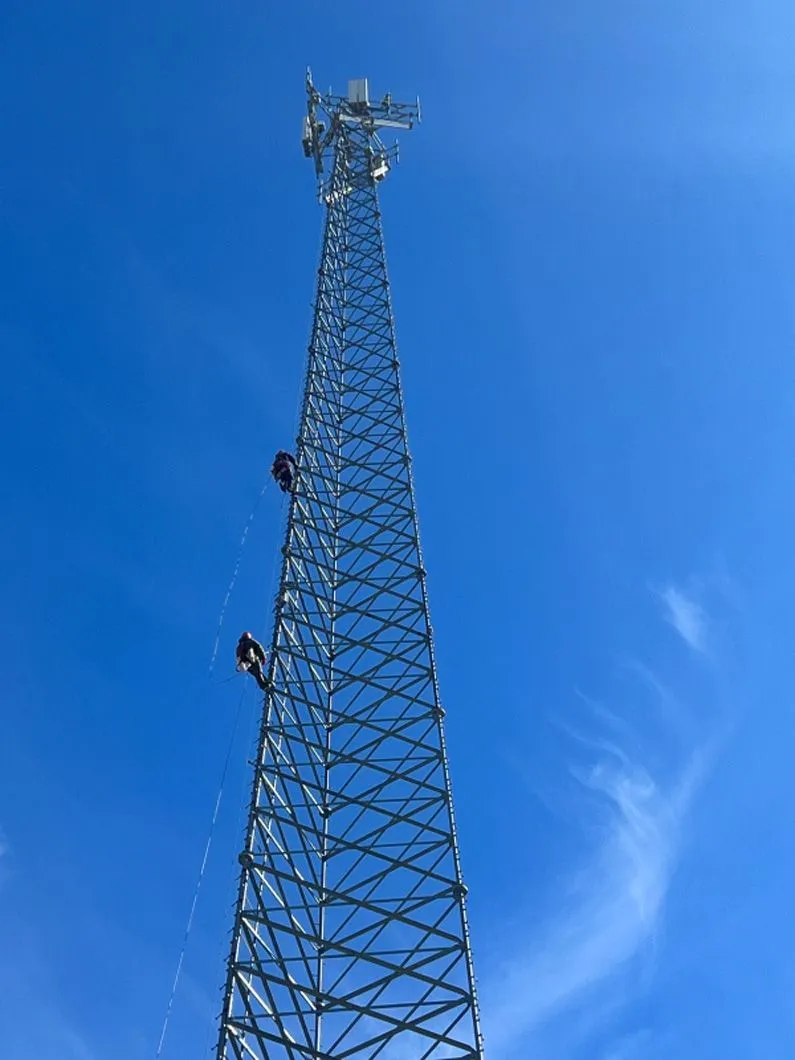
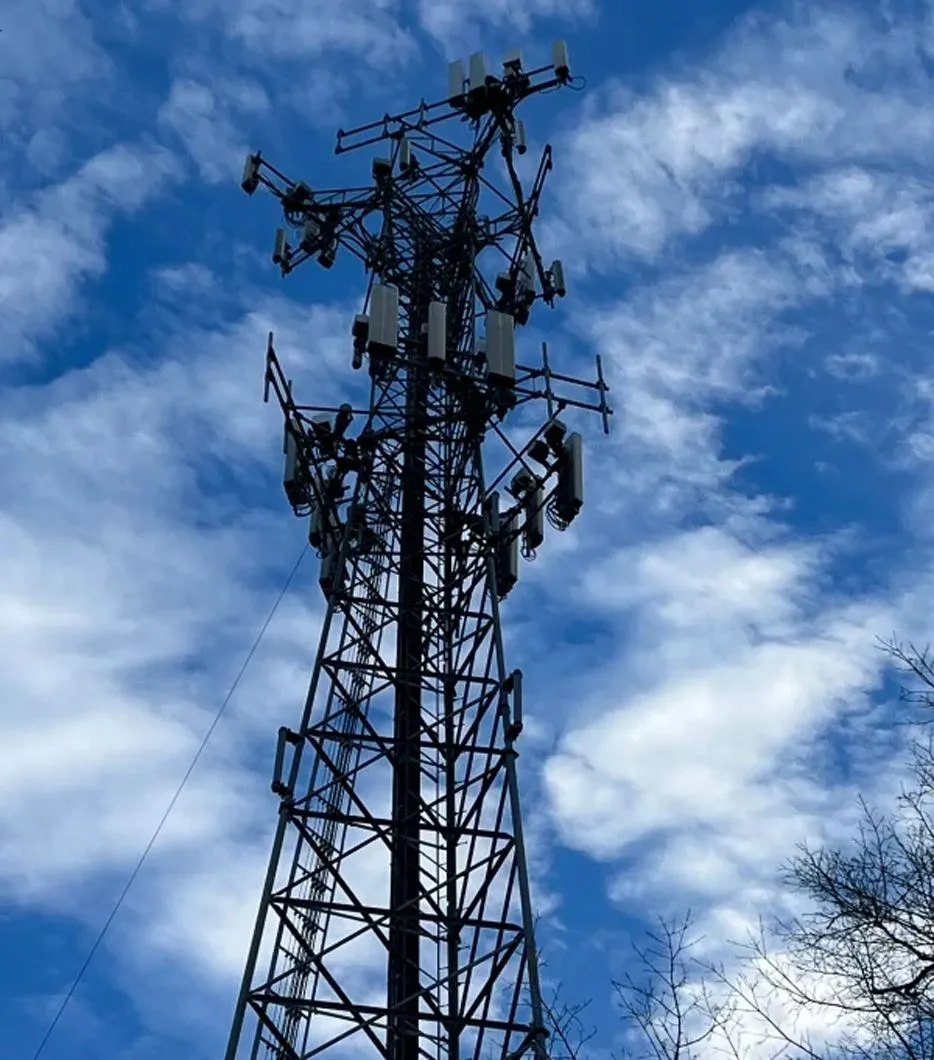
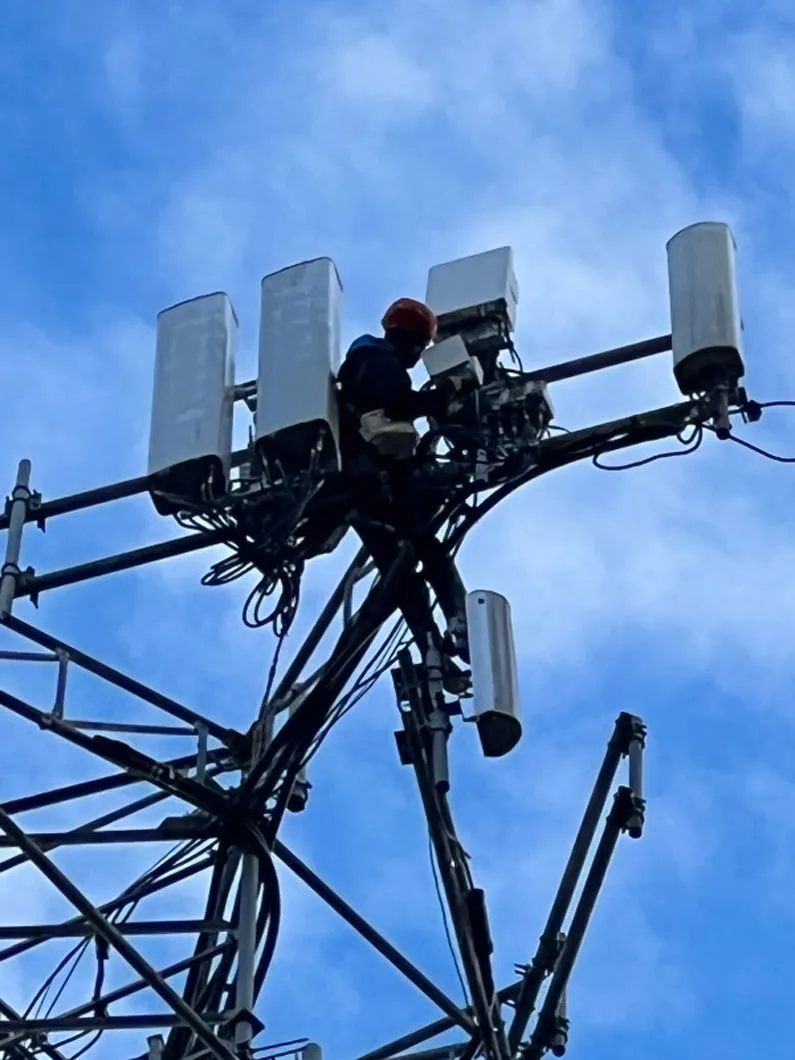
Telecom crew working on towerCell tower structure
24/7
Emergency Support
OSHA
Full Compliance
40+
Years Experience
100%
Safety Record
Telecom work 1
Telecom work 2
Telecom work 3
Telecom work 4
Infrastructure Guide

Telecom Infrastructure Maintenance

How disciplined electrical maintenance, safety governance, and operational reporting combine to keep wireless infrastructure reliable.

Power Quality

Tap to reveal

Stable Delivery

Every radio head, backhaul unit, and cooling system depends on stable power quality. We monitor voltage baselines and load behavior across peak windows.

Safety First

Tap to reveal

Zero Compromise

Tower environments combine height exposure and energized systems. Our programs include task-specific hazard planning and arc flash boundary verification.

Backup Power

Tap to reveal

Always Ready

Generator systems, ATS assemblies, and battery strings must operate as a coordinated unit under real storm conditions, not just superficial run tests.

Compliance

Tap to reveal

Full Documentation

Standardized checklists, timestamped measurement logs, and clear photo documentation create continuity across markets and vendor teams.

Network Reliability Starts With Electrical Discipline

Wireless networks are often described in terms of coverage maps and spectrum allocations, but none of those layers can deliver dependable service without disciplined electrical maintenance at each tower site. A practical maintenance strategy treats power health as a core service metric, not a background utility function.

The infrastructure footprint in Florida demands even tighter control because high heat, moisture intrusion, and lightning exposure steadily degrade components that appear serviceable during quick visual checks. Lugs can loosen through thermal cycling, and compromised weather seals can allow water to track into distribution points after storms.

Routine Torque Verification

Experienced field teams combine routine torque verification with targeted thermographic scans.

This approach converts maintenance from reactive repair work into structured risk reduction that prevents unexpected outages and emergency mobilizations. Proactive replacement of aging weather protection hardware further extends equipment life.

Standardized Data Collection

Standardized checklists and timestamped measurement logs create continuity across markets.

They make it easier to prioritize capital work by distinguishing isolated defects from systemic design constraints, such as chronic overload on specific branch circuits or recurring battery temperature excursions. This discipline reduces total cost of ownership.

Preventive Maintenance Programs That Reduce Downtime

Calendar-Based Routines

Ensure critical intervals are never skipped — panel inspections, grounding assessments, and battery string evaluations on a fixed schedule.

Condition-Based Triggers

Respond to measured performance drift: increasing resistance, rising harmonics, or escalating shelter cooling runtime that indicates airflow restrictions.

Risk-Based Site Segmentation

Coastal towers with direct salt exposure and high lightning incidence require tighter intervals than inland sites with lower environmental stress.

Integrated Reporting

Field reports capture contextual observations that explain future anomalies, flowing into centralized asset systems for shared visibility.

Key Insight: Documentation quality determines whether a preventive program remains useful over time. Details like early-stage cabinet seal fatigue or minor ground conductor oxidation become critical when troubleshooting intermittent events months later.

Safety Governance for High-Risk Tower Work

Task-Specific Planning

Strong programs identify hazards, verify rescue readiness, and confirm required protective equipment before work starts. Climbing procedures, RF awareness, and fall arrest compatibility are all verified.

Arc Flash Awareness

Crews need confidence in arc flash boundaries, available fault current assumptions, and enclosure-specific PPE requirements when opening distribution gear at elevated sites.

Stop-Work Culture

A disciplined stop-work culture is crucial because rushed interventions at elevated locations can compound a manageable defect into a severe event. Leadership rewards hazard reporting.

Scenario-Based Training

Training programs are strongest when they blend standards compliance with site realism. Classroom instruction on OSHA requirements provides the baseline, but scenario-based refreshers using typical tower defects build judgment under pressure.

Scenario 1

Transfer switch anomalies during simulated outages

Scenario 2

Degraded grounding during storm season inspections

Scenario 3

Battery room ventilation failures in high-temperature windows

Power Systems, Backup Readiness, and Storm Response

Battery Health Monitoring

Degraded storage can mask itself until the exact moment a site transitions to emergency operation. Trending internal resistance, temperature behavior, and charge acceptance gives early indicators that a battery bank is nearing its limits.

Coordinated Systems

Generator systems, ATS assemblies, battery strings, and distribution panels must operate as a coordinated unit under stress. Effective maintenance verifies start signals, transfer logic, and load acceptance behavior during realistic simulations.

Storm Response Planning

Storm response planning should be practical, not theoretical. Field teams need route planning for post-event access and predefined inspection priorities.

The first objective is always personnel safety, followed by rapid restoration of critical site functionality with transparent status communication to operations centers. Sites maintained with disciplined grounding, sealed enclosures, and verified transfer systems recover faster because fewer latent defects emerge during restoration.

Compliance, Reporting, and Multi-Provider Coordination

Telecom maintenance programs operate in a heavily governed environment where technical quality, safety compliance, and documentation accuracy are all subject to audit. Contractors supporting major carriers must align with provider-specific work standards while also meeting regulatory obligations and site owner requirements.

Multi-Provider Coordination

Many tower sites involve shared infrastructure where multiple providers need coordinated access.

Maintenance work in these environments must account for scheduling dependencies, handoff requirements, and communication protocols that prevent scope overlap or accidental disruption of neighboring equipment. Teams that manage these constraints effectively combine technical skill with disciplined coordination.

Reporting Quality Matters

Network operations teams rely on field data to decide whether an issue requires immediate dispatch, remote mitigation, or capital intervention.

  • Annotated photos
  • Load readings
  • Component conditions
  • Recommended next actions

Long-Term Infrastructure Strategy

Capacity Planning

Additional carriers, new bands, and denser equipment configurations increase branch loading and thermal pressure. Proactive assessments identify where upgrades deliver the best resilience return.

Technology Evolution

Future-proof maintenance tracks spare headroom, thermal margins, and protection behavior so expansion decisions are based on objective site readiness rather than assumptions.

Execution Excellence

High-performing programs define what good work looks like in measurable terms: complete inspection coverage, validated readings, proper closeout evidence, and clean escalation notes.

Documentation Fidelity

As site complexity rises, small omissions in circuit records or equipment history can delay diagnostics. Complete as-built references and change logs keep sites adaptable.

Contractor Accountability

Contractor accountability is strongest when performance is measured on both reliability impact and compliance quality, not just ticket closure speed. Sites returned to service quickly but without proper root-cause correction often re-enter outage cycles.

Balanced scorecards that include repeat-failure rates, documentation completeness, safety adherence, and first-visit resolution provide a more accurate view of contractor value. A mature accountability model includes collaborative feedback loops between field teams, network operations, and engineering leadership.